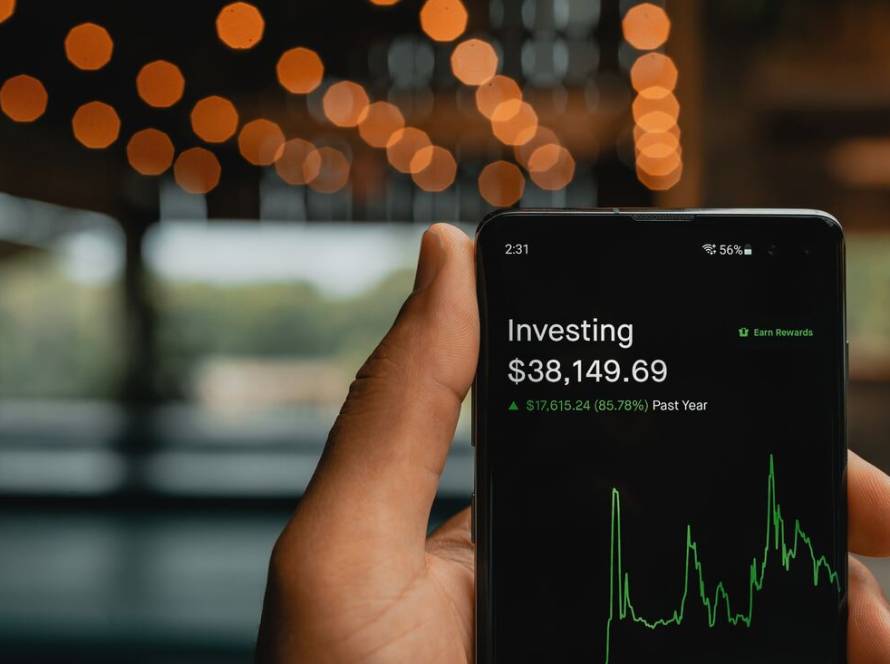

Anyone who has checked their KiwiSaver (or other investment fund portfolios) will feel dizzy, and not in a good way.
KiwiSaver funds have fallen as much as 10% or more depending on the type you’re invested in. The level of pain you’re feeling will likely correlate to the time you invested.
Since the Dumpster (Donald Trump) became America’s President (again), stock markets worldwide have lost $4 trillion in value. That’s huge as an aggregate, and individual KiwiSaver accounts haven’t been immune. I’ve been ignoring mine for the past month, which is a good strategy, assuming you are in the correct fund type for your risk profile and time frame for investing.
Time and time again, investors chasing higher returns have ignored those two critical guideposts and selected a fund that was highest performing at the time. In good times, which we’ve had since the initial Covid swan dive of markets in 2019, they’ll feel rich and on top of the world. In bad times, which President Trump has triggered with his tariff wars and spinning top-style politics (if you can call it politics), investors will feel knee-capped.
I am not a stock picker (I have mostly managed funds), but I do consider myself to have good instincts. I’ve known for some time, even before Trump came into power again in January, that the markets were way overheated and almost too good to be true. I was tempted to take some cream off the top of my frothier non-KiwiSaver funds and indulge in some rewards and holidays, but as a long-term investor, I held the course.
While I feel poorer about holding the course, I went into my fund selection with my eyes wide open.
My time frames are longer, so I felt I could take the risks of having a higher exposure to international shares. Of course, that doesn’t rationally make you feel any better when you see that your funds have slipped away all their gains since 2022. Ouch.
Investing in higher-risk funds, such as Growth, High-Growth, and Aggressive Funds, is a bit like playing Snakes and Ladders, with a strategy that eventually sees you across the finish line rather than languishing at the start line.
I know those words will feel like cold comfort. Everyone wants to feel like they’re always winning!
So, for those feeling the pain, perhaps it is time for a review.
Many will warn you against ‘crystallising’ your losses by switching fund types, and now is probably not the best time to do that if a rally is around the corner. But it is still worth assessing your risk appetite using Sorted.org.nz’s investor tool or something similar on offer by your KiwiSaver provider or a financial advisor.
Be honest about your ability to stomach the ups and downs, and evaluate your time frame for investing.
Prospective first-time home buyers in KiwiSaver found this out the hard way during the initial Covid market shock.
Many investors went into higher long-term returning, high-risk funds in hopes of fattening their deposits and ended up short of their requirement.
Few see the bad times coming, and when they react, it’s often too late or they do the wrong thing.
I don’t doubt that more first-time home buyers in KiwiSaver will be caught out again.
New Zealand is one of the few OECD nations that allows a retirement savings scheme to be tapped for housing. And the level of education and understanding around risk in this area remains relatively low.
Even if you own your home already, it’s prudent to reflect on your goals and appetite for risk in or out of KiwiSaver.
Would-be retirees and those in retirement also feel the pain of sharp market corrections or swings.
Their ability to withstand Trump induced market volatility depends on their overall financial position, i.e., what other investments they have, what they need that money for, and when.
So, while you may have thoughts of switching fund types or fleeing your current provider, take a beat and do some homework first.
- Review your fund type
- Consider your time frames for investing
- Understand how much you’re paying in fees!
- Keep contributing to your funds if you can.
The flip side of all this bad news in the share market is that everything (mostly) just went on sale.
There’s always a silver lining.